Building your own automotive film brand can be an important step in growing a wholesale or distribution business. Instead of competing only on product availability and price, a private label strategy allows you to develop a recognizable brand, create a more consistent market presence, and build stronger relationships with your customers.
For automotive film distributors, importers, and wholesalers, private label opportunities may include paint protection film (PPF), color change film, and other automotive film products.
However, launching a private label product involves more than putting your logo on a packaging box. Product selection, specifications, sample approval, packaging requirements, and production coordination all need to be considered before placing an order.
Here are six important steps to help you plan your own automotive film brand.
Before selecting products, identify who you want to sell to.
Are your customers professional car wrapping shops, automotive detailing studios, regional distributors, or other wholesalers?
Different customer groups may have different expectations regarding product selection, pricing, appearance, and purchasing quantities.
For example, a distributor targeting professional installation businesses may prioritize a focused range of reliable PPF and color change film products. A brand targeting the premium automotive market may place greater emphasis on product positioning, presentation, and differentiated finishes.
Start by answering three questions:
Who are your ideal customers?
Which automotive film products do they need?
What makes your brand different from existing competitors?
A clear positioning strategy will make subsequent product and purchasing decisions easier.
One of the most important decisions is choosing which products to launch first.
For many automotive film businesses, PPF and color change film represent two different product opportunities.
Paint Protection Film (PPF) is designed to protect automotive paint surfaces. Buyers may evaluate product specifications, appearance, installation characteristics, and documented performance information when selecting products for their market.
Color Change Film focuses on changing a vehicle's exterior appearance. Color selection, surface finishes, visual presentation, and customer preferences are important considerations.
You do not need to launch every product category at once.
A more practical strategy is to begin with a carefully selected product range that matches your target customers and available purchasing budget. You can expand the range as your distribution network and customer demand develop.
A professional private label project should begin with clearly defined product requirements.
Before discussing branding and packaging, make sure you understand the product you intend to sell.
Depending on the product category, specifications may include:
Product type and intended application.
Film thickness and roll dimensions.
Available colors and surface finishes.
Product construction and material information.
Installation-related characteristics.
Applicable technical documents and test information.
For PPF, buyers may also want to review relevant product performance information and clarify which specifications can be documented.
For color change film, confirming the exact color, finish, and sample appearance is particularly important.
Do not rely only on general product descriptions. Request detailed specifications and confirm the agreed product requirements in writing before moving into production.
Sample approval is an important stage in private label sourcing.
Before committing to a large order, request samples of the products you are considering. Evaluate whether they meet your intended market requirements and whether the product presentation matches your brand positioning.
For color change film, compare the actual film appearance with your expected colors and finishes.
For PPF, review the relevant product specifications and evaluate installation behavior under appropriate working conditions.
If you plan to offer multiple products under one brand, assess each product separately rather than assuming that one approved sample represents the entire range.
It is also useful to document the approved product specifications and sample reference. This gives both parties a clearer basis for future order discussions.
Brand presentation can influence how distributors and professional customers perceive your products.
Depending on the supplier's available customization services, private label options may include:
Custom logo and product labels.
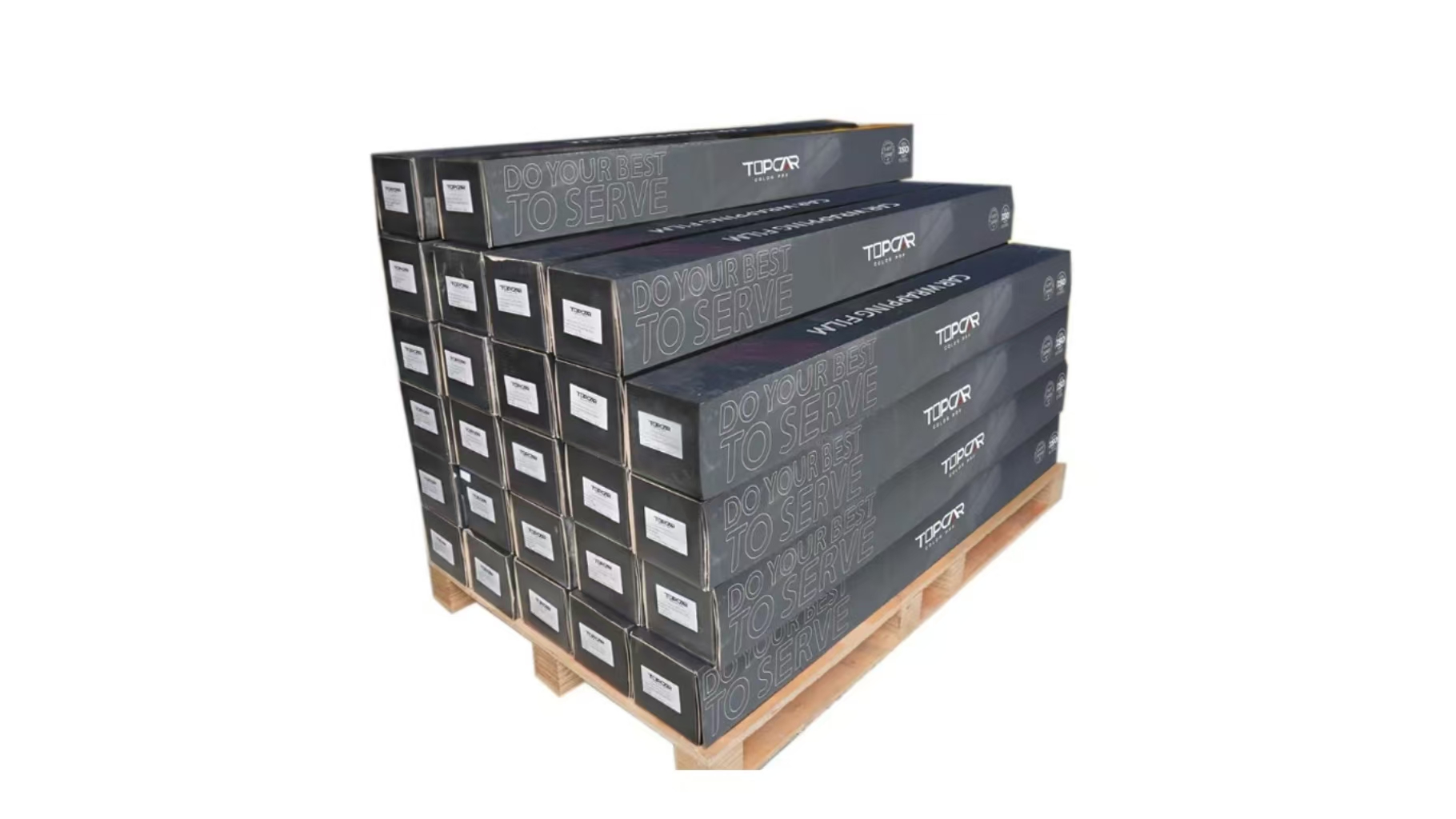
Branded packaging boxes.
Product identification and specifications.
Customized product catalogs.
Other agreed packaging and presentation requirements.
Before confirming customization, clarify the following:
Minimum Order Quantity (MOQ): Ask whether minimum quantities apply to each product, color, packaging design, or total order.
Artwork Requirements: Confirm logo files, packaging dimensions, design formats, and approval procedures.
Additional Costs: Understand whether customized packaging, printing, or setup involves additional charges.
Production Lead Time: Confirm how customization affects the overall production schedule.
Final Approval: Review the final artwork, labels, and packaging details before mass production.
Clear confirmation at this stage can help prevent unnecessary revisions and misunderstandings.
Launching your brand is only the beginning. Maintaining product availability and consistent purchasing arrangements is essential as your customer base grows.
Before starting cooperation, discuss:
Expected order quantities and purchasing frequency.
Product availability and repeat-order arrangements.
Production and delivery schedules.
Quality inspection and documentation.
Procedures for reporting and addressing product concerns.
Communication arrangements for future product updates.
For international buyers, it is also important to clarify shipping terms, export documentation, payment arrangements, and responsibilities throughout the order process.
A well-organized supplier relationship can help your business move from an initial private label order toward a more structured long-term sourcing strategy.
Before launching your own automotive film brand, review these key points:
Have I defined my target customers and market positioning?
Have I selected the right PPF or color change film products?
Have I received and evaluated product samples?
Are the product specifications clearly documented?
Have I confirmed the available private label and packaging options?
Are MOQ, customization costs, and lead times understood?
Have I approved the final product and packaging details?
Have I discussed repeat orders and long-term supply arrangements?
The more clearly these requirements are defined, the easier it becomes to manage your first private label project.
Choosing the right manufacturing and trading partner is an important part of building an automotive film brand.
TOPCAR operates in the automotive film industry, with a product focus on paint protection film and color change film. As a manufacturer-integrated trading business, TOPCAR understands the importance of product requirements, purchasing coordination, and communication in B2B cooperation.
Whether you are an established distributor looking to expand your product portfolio or a new business preparing to launch your own automotive film brand, discussing your requirements in detail is a practical first step.
You can contact TOPCAR to discuss:
PPF and color change film product options.
Product specifications and sample requirements.
Private label and packaging customization possibilities.
Estimated order quantities.
Your target market and purchasing plans.
Available customization options, minimum order quantities, and production arrangements should be confirmed according to your specific project requirements.
Your own automotive film brand starts with the right product decisions and a clear sourcing plan.
If you are looking for a B2B partner for PPF or color change film sourcing, TOPCAR welcomes inquiries from importers, wholesalers, distributors, and automotive film brands.
Contact TOPCAR today to discuss your automotive film project and explore potential long-term business cooperation.


