For automotive film distributors, wholesalers, and professional wrap shops, choosing the right color change film inventory is about more than offering as many colors as possible. Every roll represents an investment, and the wrong product mix can tie up working capital while leaving customers searching for colors you do not have.
A well-planned inventory helps you balance customer choice, purchasing costs, stock availability, and business growth.
Whether you are importing color change vinyl for wholesale distribution or purchasing film for your own installation business, here are five practical ways to build a more strategic product range.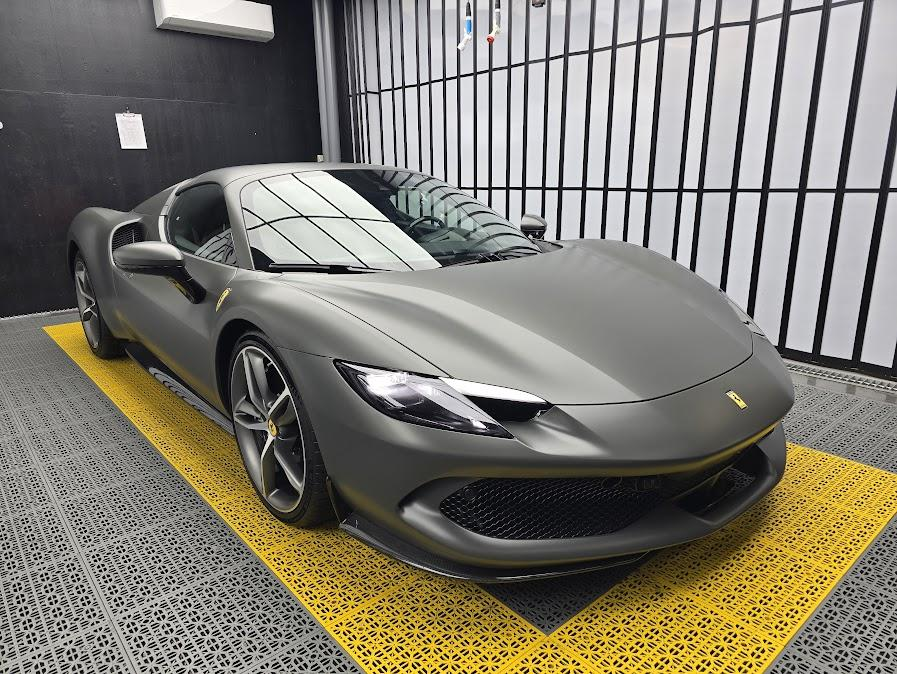
Before placing a bulk order, look at what your customers are already requesting.
Review previous sales, customer inquiries, installation bookings, and repeat purchases. Which colors sell consistently? Which finishes attract attention but generate fewer confirmed orders? Are customers asking for specific colors that you currently cannot supply?
These questions can help you distinguish proven demand from temporary interest.
If you are a distributor, collect feedback from your dealers and installation partners. If you operate a wrap shop, track the colors customers request during consultations and compare them with completed projects.
Your inventory should reflect your target market rather than simply follow every new trend.
Offering a wide selection can make your business attractive, but purchasing too many variations at once can increase inventory complexity.
A practical approach is to divide your product range into three groups:
Core colors: Established options that match your customers' regular requirements and deserve closer attention when planning replenishment.
Specialty colors: Distinctive finishes or shades that help differentiate your offering, such as selected satin, metallic, or color-shifting effects, depending on your market.
Trial products: New or less familiar options that you can introduce in limited quantities or evaluate through samples before committing to larger purchases.
This structure allows you to maintain a useful selection without treating every color as an equally important stock item.
The right balance will depend on your sales history, available storage, purchasing budget, and customer profile.
Color is only one part of the purchasing decision. Surface finish can also influence customer preference and the type of projects your products serve.
For example, buyers may compare gloss, matte, satin, metallic, and color-shifting finishes. However, the popularity of each option can vary by country, customer segment, vehicle type, and season.
Instead of assuming one finish will sell everywhere, evaluate color and finish combinations individually.
When reviewing a potential product, consider:
Whether customers have requested the specific color and finish.
Whether the product fits your existing customer base.
Whether you can present the color accurately through physical samples or a reliable color display.
Whether the supplier can provide consistent product specifications for repeat purchases.
Whether the expected demand justifies the quantity you plan to order.
A focused product range based on evidence is often more manageable than a large catalog built on assumptions.
Samples can help you evaluate a product before committing a substantial amount of purchasing capital.
For distributors, samples can be shared with selected dealers or installation partners to collect feedback. For wrap shops, sample cards or physical film samples can support customer consultations and help customers compare colors and finishes under different lighting conditions.
You can also use sample testing to assess the handling characteristics and installation suitability of a product for your intended applications.
Before requesting samples, identify the specific colors, finishes, and product requirements you want to evaluate. This makes feedback easier to compare and helps you decide which products deserve further consideration.
When possible, connect sample evaluation to actual customer inquiries or planned projects instead of relying only on personal preferences.
Inventory planning does not end when the first order arrives. Replenishment decisions are equally important for maintaining availability without purchasing more than your business can reasonably sell.
Track stock levels, sales velocity, open customer orders, and supplier lead times. Review these figures regularly to identify products that may need replenishment and products that have remained in stock for too long.
A simple starting point is to separate products into three categories:
Reorder: Products with established demand and stock levels approaching your replenishment threshold.
Monitor: Products with irregular sales that require further observation before another purchase.
Review: Slow-moving products that may need reduced purchasing quantities or a revised sales strategy.
For international buyers, also consider shipping schedules, import arrangements, and the time required to coordinate repeat orders.
The goal is not to eliminate every inventory risk. It is to make purchasing decisions using clearer information and more realistic expectations.
Before confirming your next order, ask yourself:
Which colors have generated actual sales or qualified customer inquiries?
Does my current range offer a suitable balance of colors and finishes?
Am I purchasing based on demand, or simply because a color is trending?
Have I evaluated samples for the products I am considering?
Are product specifications, roll dimensions, packaging, and order quantities clearly confirmed?
Do the proposed order quantities fit my sales forecast and available budget?
Have I considered replenishment timing and the risks of slow-moving stock?
Answering these questions can help you approach your next purchasing decision with greater clarity.
For automotive film wholesalers, distributors, and professional installers, finding suitable products is only one part of building a sustainable business. A clear understanding of your target market, product requirements, and purchasing plan is also essential.
TOPCAR is an automotive film business combining manufacturing and trading operations, with a product focus that includes color change film and paint protection film.
If you are developing a new color range, expanding your wholesale catalog, or exploring products for your own automotive film business, start by defining the colors, finishes, specifications, and estimated quantities relevant to your customers.
Contact TOPCAR to discuss your sourcing requirements and explore suitable product options for your target market.
Looking for color change film options for your distribution business or professional wrap shop?
When contacting TOPCAR, share your target market, preferred colors and finishes, estimated order quantities, and any specific product or packaging requirements.
These details can help establish a more focused discussion about product suitability, purchasing arrangements, and potential long-term cooperation.
Contact TOPCAR to discuss your color change film sourcing needs and plan your next B2B purchase.


